
 hative.com ```html
 Opening: Your Guide to Building a DIY Shed So, you're ready to tackle the rewarding project of building your own shed! This guide will walk you through the entire process, from planning to the final touches, ensuring you have a functional and aesthetically pleasing addition to your property. Let's get started!
Step 1: Planning and Preparation This is arguably the most crucial step. Proper planning will save you time, money, and headaches down the road. Determine the Size and Purpose: What will you be storing in your shed? How much space do you realistically need? Consider future needs as well. Draw a rough sketch of your desired shed size. Check Local Building Codes and Regulations: Contact your local municipality or building department to understand permit requirements, setback regulations, and any other relevant building codes. Failing to do so can result in fines or even having to tear down your shed. Choose a Location: Select a level area with good drainage. Consider accessibility, proximity to your house, and any existing utilities (water lines, power lines, etc.). Create a Detailed Plan: This is where you solidify your shed design. Include dimensions, materials list, framing details, and window/door placement. There are many free and paid shed plans available online if you don't want to design from scratch. Gather Materials and Tools: Based on your plan, compile a comprehensive list of all necessary materials (lumber, roofing, siding, hardware, etc.). Rent or borrow tools if you don't already own them. Essential tools include a circular saw, drill, level, measuring tape, hammer, and safety glasses.
Step 2: Building the Foundation A solid foundation is essential for a long-lasting shed. There are several options, including concrete slab, gravel pad, or a wooden skid foundation. We'll cover a simple gravel pad foundation. Clear the Area: Remove all vegetation, debris, and topsoil from the designated area. Create a Level Base: Excavate the area to a depth of about 6 inches. Add Gravel: Fill the excavated area with crushed gravel, compacting it in layers. Ensure the gravel pad is level using a level and tamper. Frame the Base (Optional): You can build a simple wooden frame around the gravel pad to contain the gravel and provide a more defined edge. Use pressure-treated lumber for this frame.
Step 3: Framing the Walls Now you'll start constructing the shed's structure. Cut the Lumber: Cut all the lumber for the wall framing according to your plan. Assemble the Walls: Lay out the lumber for each wall on a flat surface. Use nails or screws to connect the studs, top plate, and bottom plate. Ensure the wall is square by measuring diagonally – the diagonals should be equal. Raise the Walls: With a helper, carefully raise each wall and secure it to the foundation. Use temporary bracing to keep the walls plumb. Connect the Walls: Connect the corners of the walls using screws or nails. Make sure the walls are properly aligned and square.
Step 4: Building the Roof The roof protects your shed from the elements. Install Rafters or Trusses: Install rafters or trusses according to your plan, ensuring they are properly spaced and secured to the top plates of the walls. Sheathe the Roof: Cover the rafters or trusses with plywood or OSB sheathing. Nail or screw the sheathing to the framing. Install Roofing Material: Install roofing felt (underlayment) to protect the sheathing. Then, install your chosen roofing material (asphalt shingles, metal roofing, etc.) according to the manufacturer's instructions.
Step 5: Installing Siding and Trim Siding protects the walls and gives your shed its aesthetic appeal. Install Siding: Install the siding according to the manufacturer's instructions. Common siding options include wood siding, vinyl siding, or metal siding. Install Trim: Add trim around the windows, doors, and corners to give the shed a finished look and protect the edges of the siding.
Step 6: Installing Doors and Windows Doors and windows provide access and ventilation. Frame the Openings: Ensure the door and window openings are properly framed. Install Doors and Windows: Install the doors and windows according to the manufacturer's instructions. Make sure they are plumb and square. Add Hardware: Install door handles, locks, and window latches.
Step 7: Interior Finishing (Optional) You can customize the interior of your shed to suit your needs. Install Flooring: Add flooring, such as plywood or concrete, for a more finished look. Add Shelving: Install shelving to maximize storage space. Insulate and Finish Walls: If desired, insulate the walls and finish them with drywall or paneling.
Step 8: Final Touches These final steps will ensure your shed is functional and attractive. Paint or Stain: Paint or stain the exterior of the shed to protect it from the elements and enhance its appearance. Install Gutters and Downspouts: Install gutters and downspouts to direct water away from the shed's foundation. Landscaping: Add landscaping around the shed to blend it into your property.
Conclusion: Enjoy Your New DIY Shed! Congratulations! You've successfully built your own shed. Take a step back and admire your accomplishment. With proper care and maintenance, your new shed will provide years of reliable storage and utility. Remember to always prioritize safety throughout the building process. Good luck!
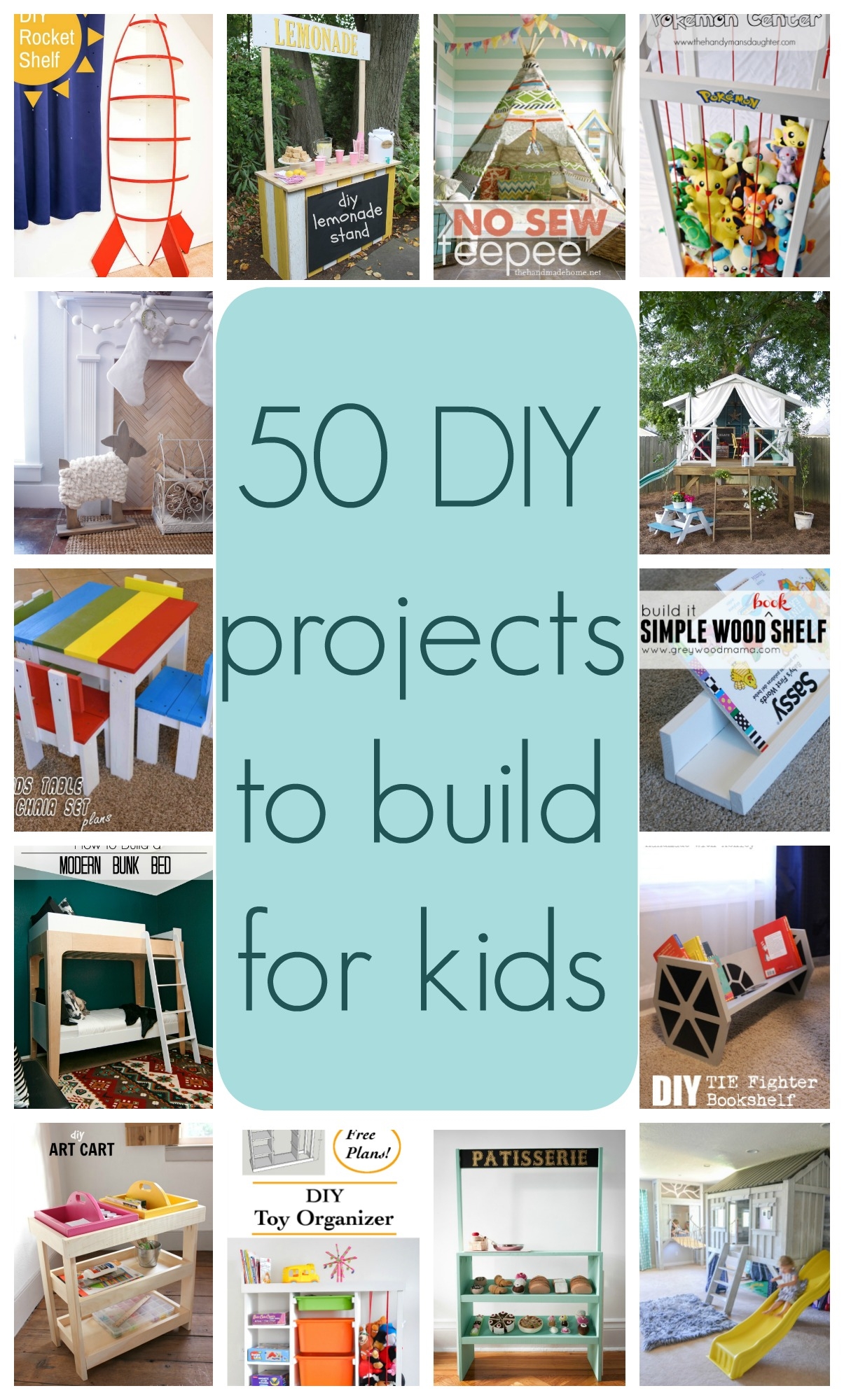
``` Large Diy Projects At Laura Hefley Blog
 storage.googleapis.com
 30+ Easy Crafts To Make And Sell With Lots Of Diy Tutorials
hative.com Creative Diy Projects: Craft Ideas To Brighten Your Home
 www.pinotspalette.com

0 komentar:
Posting Komentar