Kamis, 31 Juli 2025

57+ Contemporary Flat Roof Design

25 contemporary architecture houses to inspire you www.mydomaine.com

Opening: A Beginner's Guide to Building a Simple DIY Birdhouse Ready to welcome feathered friends to your backyard? Building a birdhouse is a fun and rewarding project that's perfect for beginners. This guide will walk you through the steps to create a simple, yet functional, birdhouse using basic tools and readily available materials. Get ready to attract beautiful birds and add a charming touch to your outdoor space!
Step 1: Gather Your Materials and Tools Before you begin, ensure you have everything you need. This will make the building process much smoother. Here's a list of essentials:
  • Untreated wood (pine or cedar is ideal, avoid pressure-treated wood) a single board roughly 1 foot wide and 6 feet long should be plenty for a small birdhouse.
  • Measuring tape
  • Pencil
  • Saw (hand saw or power saw)
  • Drill with various drill bits (including a bit slightly larger than the screws)
  • Screws (exterior grade)
  • Sandpaper
  • Clamps (optional, but helpful)
  • Safety glasses
  • Work gloves
  • Step 2: Cut the Wood Pieces Carefully measure and cut the wood according to the following dimensions. These dimensions are for a small birdhouse, suitable for wrens or chickadees. Adjust the measurements if you want a larger birdhouse.
  • Front: 6 inches wide x 8 inches high
  • Back: 6 inches wide x 10 inches high (the extra height will create the roof overhang)
  • Sides (2 pieces): 6 inches wide x 7 inches high
  • Bottom: 6 inches wide x 6 inches deep
  • Roof (2 pieces): 6 inches wide x 7 inches deep
  • Mark the measurements clearly on the wood before cutting. Always wear safety glasses while cutting. Use a square to ensure all your cuts are straight. Sand the edges of each piece to remove any splinters.
    Step 3: Assemble the Birdhouse Box Now it's time to assemble the main body of the birdhouse.
  • Start by attaching the sides to the bottom. Apply glue to the edges of the bottom piece and then secure the side pieces with screws. Pre-drill pilot holes to prevent the wood from splitting. Clamps can be used to hold the pieces together while the glue dries.
  • Next, attach the front piece to the assembled sides and bottom, again using glue and screws, pre-drilling pilot holes first.
  • Then, attach the back piece, ensuring the extra 2 inches extend above the front piece to form a roof overhang.
  • You should now have a basic box shape.
    Step 4: Create the Entrance Hole and Ventilation/Drainage The entrance hole size is crucial for attracting the right birds and deterring larger ones. For wrens or chickadees, a 1 1/8 inch diameter hole is suitable.
  • Measure and mark the center of the entrance hole on the front piece, about 2 inches from the top.
  • Use a drill bit slightly larger than 1 1/8 inch to create the entrance hole.
  • Drill a few small drainage holes (about 1/4 inch diameter) in the bottom of the birdhouse.
  • Drill small ventilation holes near the top of the side pieces.
  • These holes help prevent water buildup and keep the birdhouse properly ventilated.
    Step 5: Attach the Roof Attaching the roof is the final step in assembling the birdhouse.
  • Place the two roof pieces on top of the birdhouse, overlapping slightly at the peak. Ensure the roof overhangs slightly on the front and back.
  • Secure the roof pieces to the sides and back of the birdhouse using glue and screws, pre-drilling pilot holes.
  • Step 6: Finishing Touches (Optional) At this point, your birdhouse is structurally complete! You can add some finishing touches.
  • Sand any rough edges or splinters.
  • You can paint or stain the exterior of the birdhouse, but be sure to use non-toxic, bird-safe products. Avoid painting the interior. Neutral colors are generally preferred by birds.
  • Consider adding a small perch below the entrance hole, although this isn't always necessary, and some argue it can make it easier for predators to access the nest.
  • Conclusion: Hang Your Birdhouse and Enjoy! Congratulations! You've successfully built a DIY birdhouse. Now, find a suitable location to hang your new birdhouse. Choose a spot that is sheltered from the elements and away from predators. Hang it securely from a tree branch or post using wire or rope. With a little luck, you'll soon have some new avian neighbors! Enjoy watching the birds explore and inhabit your creation.

    25 Contemporary Architecture Houses To Inspire You

    25 contemporary architecture houses to inspire you www.mydomaine.com

    71 Contemporary Exterior Design Photos

    71 contemporary exterior design photos residencestyle.com

    Outstanding Designs Of Modern Contemporary Homes

    Outstanding designs of modern contemporary homes www.interiorvogue.com

    Rabu, 30 Juli 2025

    138+ Chicken Coop With Garden Beds

    Trader joe's spatchcock chicken recipe: deliciously juicy and easy! kitchenaiding.com

    Introduction: A Chicken Coop & Garden Bed Combo Are you looking for a space-saving and mutually beneficial way to raise chickens and grow your own food? Combining a chicken coop with raised garden beds can be a fantastic solution. Chickens provide natural fertilizer and pest control, while the garden offers supplemental food and enrichment for your flock. This guide will walk you through the steps of building your own chicken coop with integrated garden beds.
    Planning and Design: Before you start building, it's crucial to have a solid plan. Consider these factors:
  • Size: Determine the number of chickens you want to keep and the space required for their coop and run. Factor in the size of the garden beds as well. A general rule is 4 sq ft per chicken in the coop and 8-10 sq ft per chicken in the run.
  • Location: Choose a location that provides adequate sunlight for both the garden and the chickens. Ensure proper drainage and protection from prevailing winds.
  • Materials: Decide on the materials you'll use for the coop, run, and garden beds. Consider pressure-treated lumber, cedar, or redwood for durability and weather resistance. Chicken wire, hardware cloth, and roofing materials are also essential.
  • Design: Sketch out your design, incorporating the chicken coop, run, and raised garden beds. Think about the layout, access points for cleaning and egg collection, and ventilation.
  • Materials List: Based on your plan, gather the following materials (this is a general list, adjust according to your design):
  • Pressure-treated lumber (various sizes) for framing and structure
  • Cedar or redwood lumber for garden bed walls (optional)
  • Chicken wire or hardware cloth for the run
  • Roofing materials (shingles, metal, or polycarbonate panels)
  • Nails, screws, and bolts
  • Hinges and latches for doors and gates
  • Wood stain or sealant (optional)
  • Potting soil or garden soil mix
  • Step 1: Building the Coop Frame:
  • Cut the lumber according to your plan's dimensions.
  • Assemble the base frame, ensuring it's level and square. Use screws or nails to secure the joints.
  • Construct the wall frames, including openings for the door and windows (if applicable).
  • Attach the wall frames to the base frame, ensuring they are plumb and square.
  • Build the roof frame, considering the desired pitch for water runoff.
  • Step 2: Constructing the Coop Walls and Roof:
  • Cover the wall frames with plywood or shiplap siding. Secure the panels with nails or screws.
  • Install the roofing material, following the manufacturer's instructions. Ensure proper overlap and sealing to prevent leaks.
  • Cut out the door opening and install the door hinges and latch.
  • If desired, install windows for ventilation and light.
  • Step 3: Building the Chicken Run:
  • Frame the chicken run using pressure-treated lumber. The height should be adequate for you to comfortably enter and work.
  • Attach chicken wire or hardware cloth to the frame, creating a secure enclosure. Bury the wire a few inches into the ground to prevent digging predators.
  • Build a gate for the run, using hinges and a latch.
  • Step 4: Building the Raised Garden Beds:
  • Cut the cedar or redwood lumber to the desired dimensions for the garden bed walls.
  • Assemble the garden bed walls using screws or nails.
  • Attach the garden beds to the coop or run structure, or position them nearby. Consider drainage, allowing water to runoff away from the coop.
  • Line the garden beds with landscape fabric to prevent weeds.
  • Step 5: Adding Finishing Touches and Preparation:
  • Install roosting bars inside the coop for the chickens to sleep on.
  • Create nesting boxes lined with straw or wood shavings.
  • Provide food and water containers for the chickens.
  • Fill the raised garden beds with potting soil or garden soil mix.
  • Consider adding plants that benefit chickens, such as herbs or leafy greens, directly within the run or garden areas.
  • Conclusion: Enjoying Your Chicken Coop and Garden Combo Congratulations! You've successfully built a chicken coop with integrated garden beds. Now you can enjoy fresh eggs, homegrown produce, and the satisfaction of a sustainable and mutually beneficial system. Remember to regularly clean the coop, maintain the garden, and provide your chickens with proper care. Happy gardening and chicken keeping!

    How Long Do Chickens Live?

    How long do chickens live? www.treehugger.com

    Color Live Chicken

    Color live chicken creativemarket.com

    Trader Joe's Spatchcock Chicken Recipe: Deliciously Juicy And Easy!

    Trader joe's spatchcock chicken recipe: deliciously juicy and easy! kitchenaiding.com

    Selasa, 29 Juli 2025

    136+ Flat Roof House Facades

    5 bedroom flat roof house designs infoupdate.org

    Introduction: Building a Small DIY Birdhouse So, you're looking to attract some feathered friends to your backyard? Building a birdhouse is a rewarding project that's not only fun but also provides a safe haven for birds. This guide will walk you through the steps of creating a simple, yet effective, birdhouse using readily available materials.
    Materials You'll Need:
  • Scrap wood (pine, cedar, or redwood recommended)
  • Hand saw or power saw
  • Measuring tape or ruler
  • Pencil
  • Drill with various sized drill bits
  • Screws or nails
  • Sandpaper
  • Exterior wood glue (optional, but recommended)
  • Non-toxic paint or sealant (optional)
  • Step 1: Cutting the Wood First, determine the desired size of your birdhouse. For a small birdhouse suitable for wrens or chickadees, consider these approximate dimensions:
  • Front: 6" wide x 8" high
  • Back: 6" wide x 10" high (the extra length will form the roof overhang)
  • Sides (2): 6" wide x 6" high
  • Bottom: 4" wide x 6" long
  • Roof (2): 4.5" wide x 6" long
  • Using your measuring tape and pencil, mark the dimensions on your wood. Carefully cut each piece according to these measurements.
    Step 2: Assembling the Birdhouse Now it's time to put the pieces together. Start by attaching the sides to the bottom piece. Apply wood glue to the edges (if using) and secure with screws or nails. Next, attach the front and back pieces, ensuring they are flush with the sides and bottom. The back piece should extend past the front piece to create the roof overhang.
    Step 3: Creating the Entrance Hole Choose an appropriate sized drill bit depending on the type of bird you're trying to attract. For wrens, a 1 1/8" diameter hole is suitable. For chickadees, try 1 1/4". Mark the center point for the hole on the front piece, about 2 inches from the top. Drill the entrance hole.
    Step 4: Adding the Roof Attach the two roof pieces to the top of the birdhouse, making sure they overhang slightly on the front and sides. Again, use wood glue (optional) and screws or nails to secure them.
    Step 5: Ventilation and Drainage It's crucial to provide ventilation and drainage in your birdhouse. Drill a few small (1/4") holes in the bottom of the birdhouse for drainage. Also, drill a couple of small (1/4") holes near the top of the sides for ventilation.
    Step 6: Sanding and Finishing (Optional) Sand down any rough edges or splinters. This will make the birdhouse safer for birds and improve its appearance. If desired, you can paint or seal the birdhouse with a non-toxic, exterior-grade paint or sealant. Avoid bright colors, as they may deter birds. Earth tones are a good choice.
    Step 7: Mounting the Birdhouse Decide where you want to mount your birdhouse. Ideal locations are sheltered from strong winds and direct sunlight, and away from predators. You can attach a mounting bracket to the back of the birdhouse or simply drill holes through the back and attach it directly to a tree, post, or building. Ensure the birdhouse is securely mounted.
    Conclusion: Enjoy Your New Birdhouse Congratulations! You've built your own birdhouse. Now, sit back and wait for the birds to discover their new home. Remember to clean out the birdhouse annually after nesting season to keep it habitable for future residents. Happy birding!

    Flat Roof House Designs Return The Residential Landscapes

    Flat roof house designs return the residential landscapes www.homedit.com

    Flat Roof House Designs Return The Residential Landscapes

    Flat roof house designs return the residential landscapes www.homedit.com

    5 Bedroom Flat Roof House Designs

    5 bedroom flat roof house designs infoupdate.org

    Senin, 28 Juli 2025

    107+ Storage Shed Long

    How to buy a storage unit www.holdstorage.co.uk

    Introduction: Building Your Own 10x7 Storage Shed
    Are you tired of clutter taking over your yard or garage? A 10x7 storage shed is the perfect solution for storing gardening tools, outdoor equipment, seasonal decorations, and more. Building your own shed not only saves you money compared to purchasing a pre-built one, but also allows you to customize it to your specific needs and preferences. This step-by-step guide will walk you through the process of constructing a sturdy and functional 10x7 storage shed from start to finish.
    Step 1: Planning and Preparation
    Before you begin construction, careful planning is crucial. This involves obtaining necessary permits, designing the shed, and gathering the required materials and tools.
    • 1. Obtain Permits: Check with your local building department to determine if any permits are required for constructing a shed of this size.
    • 2. Create a Design: Decide on the shed's design, including the type of roof (gable, shed, or gambrel), door and window placement, and overall aesthetic. Sketch out a detailed plan with dimensions. Numerous free and paid shed plans are available online.
    • 3. Gather Materials: Create a comprehensive materials list based on your plan. Common materials include lumber (pressure-treated for the foundation and framing), plywood or OSB sheathing, roofing materials (shingles, metal, or roofing felt), siding (wood, vinyl, or metal), nails, screws, hinges, door hardware, and windows (optional).
    • 4. Acquire Tools: Ensure you have the necessary tools, such as a circular saw, drill, hammer, level, measuring tape, safety glasses, work gloves, and a saw. Renting specific tools like a nail gun can speed up the process.
    Step 2: Building the Foundation
    A solid foundation is essential for a long-lasting shed. There are several foundation options, including a concrete slab, gravel pad, or wooden skid foundation. A gravel pad is a common and relatively inexpensive choice.
    • 1. Prepare the Site: Clear the area where the shed will be located, removing any vegetation, rocks, and debris. Level the ground using a shovel and rake.
    • 2. Create the Gravel Pad: Outline the 10x7 area with stakes and string. Excavate the soil to a depth of 4-6 inches. Add a layer of landscape fabric to prevent weed growth.
    • 3. Fill with Gravel: Pour gravel into the excavated area and spread it evenly. Use a tamper or plate compactor to compact the gravel, creating a level and stable surface.
    Step 3: Framing the Walls
    The walls provide the structural support for the shed. Accurate framing is critical for stability and squareness.
    • 1. Cut the Lumber: Cut the lumber according to your plan for the top plates, bottom plates, studs (vertical framing members), and headers (framing above door and window openings).
    • 2. Assemble the Walls: Lay out the top and bottom plates parallel to each other. Position the studs between the plates, typically spaced 16 or 24 inches apart. Nail or screw the studs to the plates to create the wall frames.
    • 3. Frame Door and Window Openings: Incorporate headers above the door and window openings to support the load. Use jack studs (shorter studs that support the header) on either side of the opening.
    • 4. Raise and Secure the Walls: Carefully lift the framed walls into place on the foundation. Use a level to ensure they are plumb (perfectly vertical). Secure the walls to each other at the corners using nails or screws.
    • 5. Square the Frame: Measure the diagonals of the shed frame. If they are equal, the frame is square. If not, adjust the walls until the diagonals are equal and the frame is square. Brace the walls temporarily with lumber to hold them in place.
    Step 4: Installing Sheathing
    Sheathing provides additional structural support and a surface for attaching siding.
    • 1. Cut the Sheathing: Cut plywood or OSB sheathing to the appropriate sizes to cover the walls.
    • 2. Attach the Sheathing: Attach the sheathing to the wall frames using nails or screws. Ensure the sheathing is flush with the edges of the framing. Stagger the seams between the sheathing panels for added strength.
    Step 5: Building the Roof
    The roof protects the shed from the elements. A gable roof is a common and relatively easy-to-construct choice.
    • 1. Build Rafters or Trusses: Construct rafters or trusses according to your plan. Rafters are individual framing members, while trusses are pre-fabricated or built-up frames that provide greater strength.
    • 2. Install Rafters or Trusses: Attach the rafters or trusses to the top plates of the walls. Ensure they are evenly spaced and securely fastened.
    • 3. Add Roof Sheathing: Cover the rafters or trusses with plywood or OSB sheathing, similar to the wall sheathing.
    Step 6: Roofing
    The roofing material provides the final layer of protection against the weather.
    • 1. Install Roofing Felt: Cover the roof sheathing with roofing felt (also known as underlayment) to provide a waterproof barrier. Overlap the seams of the roofing felt.
    • 2. Install Roofing Material: Install your chosen roofing material (shingles, metal, or other roofing). Follow the manufacturer's instructions for proper installation.
    Step 7: Installing Siding
    Siding protects the walls from the elements and enhances the shed's appearance.
    • 1. Prepare the Siding: Cut the siding to the appropriate sizes.
    • 2. Attach the Siding: Attach the siding to the sheathing using nails or screws. Overlap the seams of the siding, following the manufacturer's instructions.
    Step 8: Installing the Door and Windows (Optional)
    Install the door and windows according to the manufacturer's instructions. Ensure they are properly sealed to prevent drafts and water leaks.
    • 1. Frame the Openings (if not already done): Double-check that the door and window openings are properly framed with headers and jack studs.
    • 2. Install the Door and Window Frames: Fit the door and window frames into the openings and secure them with shims and fasteners.
    • 3. Attach the Door and Window: Install the door and window into the frames, ensuring they operate smoothly.
    Step 9: Finishing Touches
    Complete the shed with finishing touches such as trim, paint, and shelves.
    • 1. Install Trim: Add trim around the doors, windows, and corners of the shed for a finished look.
    • 2. Paint or Stain: Paint or stain the shed to protect the wood and enhance its appearance.
    • 3. Add Shelves and Storage: Install shelves, hooks, or other storage solutions to maximize the shed's storage capacity.
    Conclusion: Enjoy Your New Storage Shed
    Congratulations! You have successfully built your own 10x7 storage shed. With proper care and maintenance, your shed will provide years of reliable storage space and help you keep your yard organized and clutter-free. Remember to periodically inspect the shed for any signs of damage or wear and make necessary repairs to ensure its longevity.

    Cloud Musings: The Ascent Of Object Storage

    Cloud musings: the ascent of object storage kevinljackson.blogspot.com

    Storage Units In Dublin

    Storage units in dublin www.storageunitsdublin.com

    How To Buy A Storage Unit

    How to buy a storage unit www.holdstorage.co.uk

    Minggu, 27 Juli 2025

    150+ Concrete Flat Roof Build Up

    What is concrete made of, and why do we use so much of it? dcbyers.com

    Opening: Planning Your DIY Concrete Flat Roof Build Up Embarking on a DIY concrete flat roof build-up is a significant project. Careful planning and execution are crucial for a successful and long-lasting result. This guide outlines the step-by-step process, covering essential considerations and techniques. Always consult local building codes and regulations before starting.
    Step 1: Assessing the Existing Structure & Ensuring Structural Integrity The first step is to thoroughly inspect the existing structure upon which the concrete roof will be built. This involves checking for:
  • Load-bearing capacity: Ensure the walls and foundation can support the considerable weight of concrete. A structural engineer's assessment might be necessary.
  • Existing damage: Address any existing cracks, rot, or structural weaknesses before proceeding. Repairing these issues now will prevent future problems.
  • Levelness: A slight slope (around 1/4 inch per foot) is essential for proper drainage. Determine if the existing structure already incorporates this slope. If not, you'll need to factor this into the build-up.
  • Step 2: Creating a Waterproof Membrane A robust waterproof membrane is crucial to prevent water infiltration.
  • Clean the surface: Thoroughly clean the existing surface, removing all debris, dust, and loose materials.
  • Apply primer: Apply a compatible primer to the surface to improve adhesion of the waterproofing membrane. Follow the manufacturer's instructions.
  • Install the membrane: Options include modified bitumen (torch-down or self-adhering), EPDM rubber, or TPO. Each has pros and cons regarding cost, installation difficulty, and longevity. Overlap seams according to the manufacturer's guidelines. Pay close attention to detailing around penetrations (vents, pipes) and edges.
  • Step 3: Insulation Layer (Optional, But Recommended) Adding insulation significantly improves energy efficiency.
  • Choose insulation: Options include rigid foam insulation boards (e.g., XPS, EPS, or polyisocyanurate). Select an appropriate R-value for your climate.
  • Cut and fit: Cut the insulation boards to fit the roof area, ensuring a snug fit. Stagger seams to prevent thermal bridging.
  • Secure the insulation: Secure the insulation boards to the waterproof membrane using appropriate adhesives or mechanical fasteners.
  • Step 4: Reinforcement (Crucial for Strength) Reinforcement is vital for the concrete's structural integrity.
  • Install rebar or wire mesh: Use rebar or wire mesh to provide tensile strength to the concrete slab. The spacing and size of the reinforcement will depend on the roof's size, load requirements, and local building codes. Consult with a structural engineer for specific recommendations.
  • Proper spacing: Elevate the rebar or mesh using chairs or supports to ensure it's properly embedded within the concrete slab. A minimum of 2 inches of concrete cover is typically required.
  • Step 5: Pouring the Concrete Proper concrete mixing and pouring are critical.
  • Mix the concrete: Use a concrete mix appropriate for roof applications. Ensure the mix is consistent and workable. You can mix it yourself or order ready-mix concrete.
  • Pour the concrete: Pour the concrete evenly over the reinforced area, working in sections. Use a screed board to level the concrete to the desired thickness and slope. Remember the drainage slope!
  • Vibrate the concrete: Vibrate the concrete to remove air pockets and ensure proper consolidation around the reinforcement.
  • Step 6: Curing the Concrete Proper curing is essential for concrete strength and durability.
  • Keep it moist: Keep the concrete moist for at least 7 days (ideally longer) to allow it to properly hydrate and gain strength. You can do this by covering it with wet burlap, plastic sheeting, or using a sprinkler system.
  • Avoid rapid drying: Protect the concrete from direct sunlight and wind, which can cause it to dry out too quickly and crack.
  • Step 7: Final Finishing and Sealing (Optional) Depending on the desired aesthetic and performance, consider additional finishing.
  • Smooth the surface: Use a trowel to smooth the surface of the concrete.
  • Apply a sealant: Applying a concrete sealant can help protect the surface from water damage and staining.
  • Consider a coating: For added protection and reflectivity, consider applying a specialized roof coating.
  • Conclusion: A Solid Foundation for Your DIY Concrete Flat Roof Building a concrete flat roof is a challenging but rewarding project. By following these steps and taking the necessary precautions, you can create a durable and long-lasting roof. Remember to prioritize safety, consult with professionals when needed, and adhere to local building codes throughout the process. Regular inspections and maintenance will help ensure the longevity of your concrete roof.

    Researchers Develop Cost-effective Bendable Concrete Concrete Construction Magazine

    Researchers develop cost-effective bendable concrete</div>
<script type='text/javascript'>createSummaryAndThumb(

    Sabtu, 26 Juli 2025

    144+ Best Wire For Chicken Coop Australia

    Best in new food and beverage packaging 2020 www.packagingdigest.com

    Opening: Building a DIY Chicken Coop A Beginner's Guide So you're ready to build your own chicken coop? Fantastic! Having a backyard chicken coop provides fresh eggs, natural pest control, and a connection to your food source. This step-by-step guide will walk you through building a simple, sturdy coop that's perfect for a small flock. We will focus on a basic A-frame design, which is relatively easy to construct and provides good protection for your chickens. Let's get started!
    Step 1: Planning and Gathering Materials Before you start hammering, it's crucial to plan your coop and gather all necessary materials. This will save you time and prevent frustration later on.
  • Decide on the size of your coop based on the number of chickens you plan to keep. A general rule of thumb is 4 square feet of coop space per chicken and 8-10 square feet of run space per chicken.
  • Create a simple sketch of your coop with dimensions. An A-frame is a good choice for beginners.
  • Make a detailed list of all the materials you'll need, including lumber, chicken wire, roofing material (shingles, metal sheets, or tarps), nails/screws, hinges, latches, and hardware cloth for predator-proofing. Don't forget safety gear like gloves and eye protection!
  • Step 2: Building the Frame The frame is the backbone of your coop. Accuracy in this step is essential for a stable and durable structure.
  • Cut the lumber according to your plan. Double-check your measurements before cutting!
  • Assemble the A-frame sides using nails or screws. Ensure the corners are square. A speed square is your best friend here.
  • Connect the A-frame sides with horizontal supports to create a stable frame. These supports will also serve as mounting points for the chicken wire.
  • Consider adding a floor frame if you plan to raise the coop off the ground. This will help prevent rodent infestations.
  • Step 3: Attaching the Chicken Wire Chicken wire keeps your chickens in and predators out. Take your time and do it right.
  • Cover the frame with chicken wire, securing it with staples or small nails. Pull the wire taut to prevent sagging.
  • Pay close attention to the corners and edges, ensuring there are no gaps where predators could squeeze through.
  • Consider using hardware cloth (a stronger, smaller-mesh wire) for the bottom portion of the coop to provide added protection against digging predators. Burying the hardware cloth a few inches into the ground adds even more security.
  • Step 4: Building the Door and Nesting Boxes Access for you and your chickens is crucial, as is a safe place for egg-laying.
  • Build a simple door for the coop using lumber and chicken wire. Attach it to the frame with hinges and secure it with a latch.
  • Construct nesting boxes inside the coop. A good size is about 12x12x12 inches per nesting box. One nesting box is usually sufficient for every 3-4 hens.
  • Place the nesting boxes in a dark, quiet corner of the coop.
  • Step 5: Adding Roofing and Finishing Touches Protect your chickens from the elements and add the final touches.
  • Cover the A-frame with roofing material. Overlap the material properly to prevent leaks. Secure the roofing with nails or screws.
  • Add a roosting bar inside the coop for the chickens to sleep on. A simple wooden dowel or branch will work well.
  • Provide bedding material inside the coop, such as straw or wood shavings. This will help keep the coop clean and dry.
  • Inspect the coop for any sharp edges or potential hazards. Sand down any rough spots and remove any loose nails or screws.
  • Conclusion: Your Coop is Ready! Congratulations, you've built your own chicken coop! Now you can introduce your chickens to their new home. Remember to provide them with fresh food and water daily, and clean the coop regularly to maintain a healthy environment. Enjoy the fruits (or eggs!) of your labor!

    Top 7 Amazon Review Checkers To Spot Fake Reviews

    Top 7 amazon review checkers to spot fake reviews mywifequitherjob.com

    Pastor's Blog

    Pastor's blog www.kingofkingslutheranchurchnnj.org

    Best In New Food And Beverage Packaging 2020

    Best in new food and beverage packaging 2020 www.packagingdigest.com

    Jumat, 25 Juli 2025

    174+ Cold Flat Roof Ventilation Building Regulations

    The cold weather hater's guide to getting outside a little more this winter www.self.com

    Opening: Beat the Heat with DIY Cold Roof Ventilation! Is your home suffering from stifling summer heat and potential moisture problems? A cold roof ventilation system can dramatically improve your home's energy efficiency, prevent ice dams in winter, and reduce the risk of roof decay. This guide provides a step-by-step walkthrough on how to build your own DIY cold roof ventilation system. Before starting, consult your local building codes and regulations to ensure compliance.
    Step 1: Assess Your Roof and Plan Your Ventilation Strategy Begin by thoroughly inspecting your existing roof. Identify areas where you can install intake and exhaust vents. A common approach is to use soffit vents for intake and ridge vents or box vents for exhaust. Measure the area of your roof to calculate the required ventilation area. Generally, you need 1 square foot of net free ventilation area (NFVA) for every 300 square feet of attic space. If you have a vapor barrier, this requirement can be halved to 1 square foot of NFVA for every 150 square feet of attic space. Take detailed notes and sketches of your roof's layout, vent placement options, and any potential obstructions.
    Step 2: Gather Your Tools and Materials You'll need the following tools and materials:
    • Safety glasses
    • Work gloves
    • Measuring tape
    • Pencil or marker
    • Circular saw or reciprocating saw
    • Drill with various drill bits
    • Caulking gun and exterior-grade caulk
    • Hammer or nail gun
    • Ladder
    • Soffit vents (intake)
    • Ridge vents or box vents (exhaust)
    • Ventilation baffles (for rafter bays)
    • Nails or screws suitable for roofing materials
    • Roofing sealant
    • Safety harness (optional but highly recommended)
    Step 3: Install Soffit Vents (Intake) Soffit vents are installed in the soffit, the underside of the eaves. Start by locating the soffit area and marking the locations for your vents. Use a drill with a hole saw attachment or a reciprocating saw to cut holes in the soffit according to the vent manufacturer's instructions. Insert the soffit vents into the holes and secure them with screws or nails. Caulk around the edges of the vents to create a watertight seal.
    Step 4: Install Ventilation Baffles These baffles are essential for maintaining a clear airflow path between the soffit vents and the attic. They prevent insulation from blocking the vents. From inside the attic, staple or nail the ventilation baffles to the underside of the roof deck between the rafters, ensuring they extend from the soffit area up into the attic space.
    Step 5: Install Ridge Vents or Box Vents (Exhaust) The exhaust vents allow hot air to escape from the attic. If using ridge vents, remove the existing ridge cap. Install the ridge vent along the ridge of the roof, following the manufacturer's instructions for overlap and fastening. Secure the ridge vent with nails or screws. If using box vents, mark the locations for the vents on the roof. Cut holes in the roof deck at the marked locations, being careful not to damage any wiring or plumbing. Install the box vents, ensuring they are securely fastened and properly flashed to prevent leaks. Caulk around the base of the box vents for added protection.
    Step 6: Inspect Your Work and Ensure Proper Ventilation Once all vents are installed, inspect your work to ensure everything is properly secured and sealed. Check the attic to confirm that the airflow path is clear from the soffit vents to the exhaust vents. Ensure that insulation is not blocking any vents. Monitor the attic temperature and humidity levels after installation to confirm the system is working effectively.
    Conclusion: Enjoy a Cooler, Healthier Home! By following these steps, you can create a DIY cold roof ventilation system that will significantly improve your home's comfort, energy efficiency, and longevity. Remember to prioritize safety throughout the project and consult with professionals if you have any doubts or concerns. A properly ventilated roof is a crucial component of a healthy and well-maintained home.

    New Year Brings Record Cold Across Us

    New year brings record cold across us www.cnn.com

    What Is The Cold Snap Actually Doing To Your Body?

    What is the cold snap actually doing to your body? www.independent.co.uk

    The Cold Weather Hater's Guide To Getting Outside A Little More This Winter

    The cold weather hater's guide to getting outside a little more this winter www.self.com

    Kamis, 24 Juli 2025

    186+ Tuff Shed Interview Questions

    Mineralatlas lexikon www.mineralienatlas.de

    ```html
    DIY Miniature Fairy Garden: A Step-by-Step Guide Dreaming of a whimsical miniature garden? This guide will walk you through creating your own enchanting fairy garden, perfect for adding a touch of magic to your home or outdoor space.
    Materials You'll Need:
    • A container: This can be a pot, a trough, a wheelbarrow, or even a repurposed drawer. Ensure it has drainage holes.
    • Potting soil: Use a well-draining potting mix suitable for the plants you'll be using.
    • Small plants: Choose plants that stay small and have different textures and colors. Consider succulents, ground covers, miniature herbs, or dwarf evergreens.
    • Miniature accessories: This is where your creativity comes in! Gather tiny houses, furniture, figurines, stones, pebbles, shells, twigs, and anything else that adds charm.
    • Tools: Trowel, gardening gloves, watering can, and scissors.
    Step 1: Prepare Your Container Ensure your container has adequate drainage holes. If not, drill some. Fill the container with potting soil, leaving about an inch of space at the top. Lightly dampen the soil with water.
    Step 2: Plan Your Layout Before planting, arrange your miniature accessories to visualize the layout. Consider creating different levels or zones in your garden. A small hill can be made using extra soil. Decide where you want your pathways, houses, and other features to be located.
    Step 3: Plant Your Plants Gently remove your plants from their containers and loosen the roots. Plant the larger plants first, spacing them appropriately. Fill in the gaps with smaller plants and ground covers. Water the plants gently after planting.
    Step 4: Add Pathways and Features Create pathways using pebbles, small stones, or sand. Place your miniature houses, furniture, and figurines strategically throughout the garden. Add any other decorative elements, such as shells, twigs, or moss.
    Step 5: Finishing Touches Add any remaining details to personalize your fairy garden. Consider adding a small pond using a shallow dish filled with water. Make sure the accessories are properly placed and secure.
    Step 6: Maintenance Water your fairy garden regularly, but avoid overwatering. Trim any plants that become overgrown. Clean the garden regularly by removing any debris, like dead leaves. Replenish the soil as needed.
    Conclusion Creating a miniature fairy garden is a fun and rewarding project that can bring a touch of enchantment to your life. With a little creativity and imagination, you can create a magical world in a small space. Enjoy your whimsical creation!
    ```

    Mineralatlas Lexikon

    Mineralatlas lexikon www.mineralienatlas.de

    Mineralatlas Lexikon

    Mineralatlas lexikon www.mineralienatlas.de

    Volcanic Tuff (near Cripple Creek, Colorado, Usa) 1

    Volcanic tuff (near cripple creek, colorado, usa) 1 www.flickriver.com

    Rabu, 23 Juli 2025

    88+ 10x20 Shed Build Plans

    Free shed plans diyshedsandplans.com

    ```html
    Opening: Dreaming of extra storage or a dedicated workspace? A DIY 10x20 shed could be the perfect solution! Building your own shed allows for customization and can save you money compared to buying a pre-built structure. This guide provides a step-by-step process to help you construct a sturdy and functional 10x20 shed. Remember to check your local building codes and obtain any necessary permits before starting your project. Safety is paramount – always wear appropriate safety gear.
    Step 1: Planning and Preparation Before diving into the build, careful planning is crucial. This involves designing your shed, creating a material list, and preparing the build site.
    • Shed Design: Sketch out your shed design, including door and window placement. Consider the roof style (gable, shed, etc.) and interior layout. Numerous online resources offer 10x20 shed plans, some free and some for purchase. Review several options to find one that suits your needs and skill level.
    • Material List: Based on your chosen plan, create a detailed material list. This will include lumber (pressure-treated for the foundation), sheathing, roofing materials, siding, doors, windows, fasteners, and any other necessary supplies. Factor in waste when calculating quantities.
    • Site Preparation: Choose a level location for your shed. Remove any vegetation, debris, and topsoil. Consider using a gravel base for drainage. Ensure the site is slightly larger than the shed footprint to allow for easy access during construction.
    Step 2: Building the Foundation A solid foundation is essential for a long-lasting shed. We will focus on a simple and common gravel pad and pressure-treated lumber perimeter foundation for this guide. Consult your local building codes as more robust foundations might be required.
    • Gravel Pad: Spread a layer of gravel (typically 4-6 inches thick) over the prepared site. Compact the gravel thoroughly using a plate compactor or hand tamper. This provides a level and well-draining base.
    • Perimeter Frame: Cut pressure-treated lumber (4x4 or 4x6) according to your shed dimensions. Assemble the perimeter frame using screws or nails suitable for treated lumber. Ensure the frame is square by measuring the diagonals – they should be equal.
    • Leveling: Place the perimeter frame on the compacted gravel pad. Use shims to ensure the frame is perfectly level. Secure the frame in place using stakes driven into the ground around the perimeter.
    Step 3: Framing the Floor With the foundation in place, it's time to build the floor frame.
    • Floor Joists: Cut pressure-treated lumber (2x6 or 2x8, depending on your plan and local codes) for the floor joists. Space the joists according to your plan (typically 16 inches on center).
    • Installation: Attach the floor joists to the perimeter frame using joist hangers and appropriate fasteners. Ensure the joists are level and properly supported.
    • Sheathing: Cover the floor frame with plywood or OSB sheathing. Secure the sheathing to the joists using screws or nails. Stagger the seams for added strength.
    Step 4: Framing the Walls Now you'll build the walls of your shed, one section at a time.
    • Wall Framing: Cut lumber (2x4 or 2x6) for the wall studs, top plate, and bottom plate. Assemble the wall frames on the floor, ensuring they are square. Include framing for doors and windows.
    • Raising the Walls: Carefully raise each wall frame into position. Use temporary bracing to hold the walls in place.
    • Connecting the Walls: Secure the walls together at the corners using screws or nails. Ensure the walls are plumb (perfectly vertical) using a level. Attach the top plates of the walls together to create a continuous top plate.
    Step 5: Framing the Roof The roof framing will depend on the style you've chosen (gable, shed, etc.). We'll outline a basic gable roof approach here.
    • Rafters: Cut rafters according to your plan, including the proper angle for the roof pitch. You can use a rafter square to accurately mark the angles.
    • Installation: Install the rafters, spacing them according to your plan (typically 24 inches on center). Secure the rafters to the top plate using screws or nails. Use a ridge board to connect the rafters at the peak of the roof.
    • Sheathing: Cover the roof frame with plywood or OSB sheathing. Secure the sheathing to the rafters using screws or nails. Stagger the seams for added strength.
    Step 6: Roofing and Siding Protecting your shed from the elements is crucial.
    • Underlayment: Install roofing underlayment (felt paper or synthetic underlayment) over the roof sheathing. This provides a waterproof barrier under the roofing material.
    • Roofing: Install your chosen roofing material (asphalt shingles, metal roofing, etc.) according to the manufacturer's instructions.
    • Siding: Install your chosen siding material (wood siding, vinyl siding, metal siding, etc.) according to the manufacturer's instructions. Overlap the siding properly to prevent water intrusion.
    Step 7: Installing Doors and Windows Adding doors and windows provides access and natural light.
    • Door Installation: Install the door frame and door according to the manufacturer's instructions. Ensure the door swings smoothly and closes properly.
    • Window Installation: Install the window frames and windows according to the manufacturer's instructions. Ensure the windows are properly sealed to prevent drafts and water leaks.
    Step 8: Finishing Touches Complete your shed with these final steps.
    • Trim: Install trim around the doors, windows, and corners to give the shed a finished look.
    • Painting/Staining: Paint or stain the shed to protect the wood and enhance its appearance.
    • Interior: Add any desired interior features, such as shelving, workbenches, or electrical wiring. Consult with a qualified electrician for electrical work.
    Conclusion: Congratulations on building your own 10x20 shed! This project requires time, effort, and attention to detail. By following these steps and consulting with local building codes and experts, you can create a functional and valuable addition to your property. Enjoy your new shed!
    ```

    10x20 Storage Shed Plans

    10x20 storage shed plans shedplans.org

    Free Shed Plans

    Free shed plans diyshedsandplans.com

    10x20 Storage Shed Plans

    10x20 storage shed plans shedplans.org

    Selasa, 22 Juli 2025

    114+ Wooden Frame Shed

    Timber-frame-shed northwoodscabinco.com

    Opening: Ready to add some much-needed storage to your backyard? Building your own wooden frame shed is a rewarding DIY project that, while requiring some effort, can save you money and customize your space. This guide will walk you through the entire process, from planning to finishing touches.
    Step 1: Planning and Preparation: Before you even pick up a hammer, careful planning is essential.
    • Shed Size and Location: Determine the shed's dimensions based on your storage needs and available space. Check local building codes and zoning regulations for any restrictions on shed size, height, and placement.
    • Design and Blueprints: Create a detailed blueprint or find pre-made plans online or at home improvement stores. Include all measurements, material lists, and construction details.
    • Materials List: Create a comprehensive list of all the lumber, fasteners, roofing materials, siding, and other supplies you'll need. This helps you stay organized and avoid mid-project supply runs.
    • Tools: Gather the necessary tools, including a circular saw, drill, level, square, hammer, measuring tape, safety glasses, work gloves, and a ladder. Rent or borrow any tools you don't already own.
    • Site Preparation: Clear the building site of vegetation, debris, and any obstacles. Level the ground and prepare the foundation.
    Step 2: Building the Foundation: A solid foundation is crucial for a stable and long-lasting shed. There are several options:
    • Gravel Pad: The simplest and least expensive option. Spread a layer of compacted gravel to create a level surface. This is suitable for smaller sheds.
    • Concrete Slab: Provides a more permanent and durable foundation. Pour a concrete slab, ensuring it's level and properly cured.
    • Wooden Skid Foundation: Build a frame using pressure-treated lumber and place it on concrete blocks or gravel. This elevates the shed, preventing moisture damage.
    Choose the foundation type that best suits your needs and budget. For this guide, we will assume a wooden skid foundation for simplicity.
    Step 3: Framing the Floor: With the foundation in place, it's time to build the floor frame.
    • Cut Lumber: Cut pressure-treated lumber according to your blueprints for the perimeter frame and internal joists.
    • Assemble the Frame: Assemble the frame using nails or screws, ensuring it's square. Use a square to verify the corners are 90 degrees.
    • Install Joists: Install the floor joists at regular intervals (typically 16 inches on center) to support the floor sheathing.
    • Attach Sheathing: Cover the frame with plywood or oriented strand board (OSB) sheathing, securing it with nails or screws.
    Step 4: Building the Walls: Now, construct the walls of the shed.
    • Cut Studs and Plates: Cut the wall studs, top plates, and bottom plates according to your blueprints.
    • Assemble Wall Frames: Assemble the wall frames on the ground, nailing or screwing the studs to the top and bottom plates. Ensure studs are spaced correctly (typically 16 inches on center). Frame openings for doors and windows.
    • Raise the Walls: Carefully raise each wall frame into position and temporarily brace it to keep it plumb.
    • Secure the Walls: Secure the walls to the floor frame using nails or screws. Connect the walls to each other at the corners.
    Step 5: Installing the Roof: The roof provides weather protection and structural integrity.
    • Build Rafters or Trusses: Build rafters or trusses according to your blueprints. Rafters are individual roof supports, while trusses are pre-fabricated, triangular structures. Trusses are easier for beginners.
    • Install Rafters/Trusses: Install the rafters or trusses at regular intervals, ensuring they are properly aligned and secured to the top plates.
    • Sheathe the Roof: Cover the rafters or trusses with plywood or OSB sheathing, securing it with nails or screws.
    • Install Roofing Underlayment: Cover the sheathing with roofing underlayment (tar paper or synthetic underlayment) to protect against moisture.
    • Install Roofing Materials: Install your chosen roofing material, such as asphalt shingles, metal roofing, or wood shakes, according to the manufacturer's instructions.
    Step 6: Adding Siding and Finishing Touches: Give your shed its final look and protect it from the elements.
    • Install Siding: Install your chosen siding material, such as wood siding, vinyl siding, or metal siding, according to the manufacturer's instructions. Overlap seams properly to prevent water penetration.
    • Install Door and Windows: Install the door and windows, ensuring they are properly sealed and weather-stripped.
    • Add Trim: Add trim around the door, windows, and corners to give the shed a finished look.
    • Paint or Stain: Paint or stain the shed to protect the wood and enhance its appearance.
    • Add Shelving and Organization: Install shelving, hooks, and other organizational elements to maximize storage space.
    Conclusion: Congratulations! You've successfully built your own wooden frame shed. Enjoy the extra storage space and the satisfaction of knowing you built it yourself. Remember to regularly inspect and maintain your shed to keep it in good condition for years to come.

    Timber Frame Shed (kit) — Campy's Designs

    Timber frame shed (kit) — campy's designs www.campysdesigns.com

    Timber-frame-shed

    Timber-frame-shed northwoodscabinco.com

    Timber-frame-shed

    Timber-frame-shed northwoodscabinco.com

    Senin, 21 Juli 2025

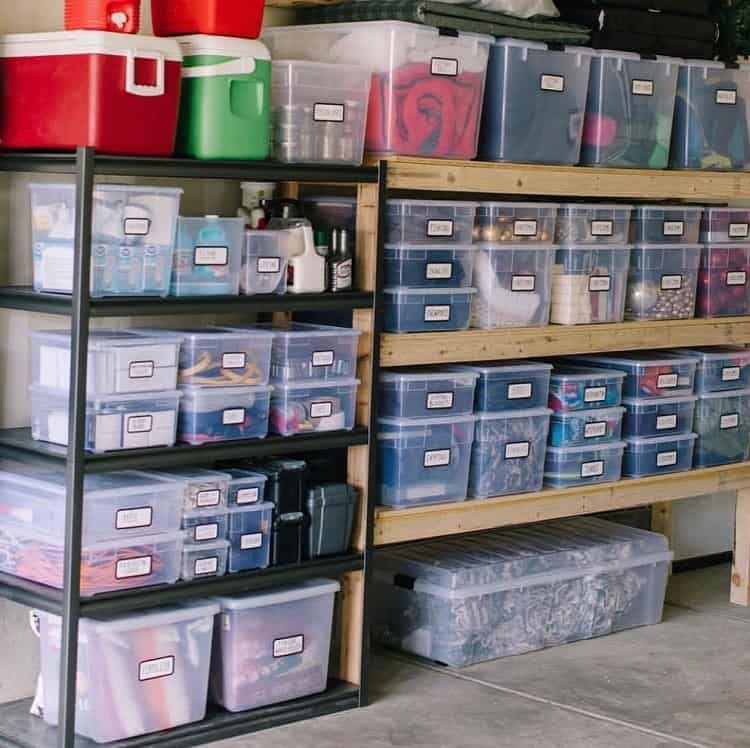
    45+ Storage Shed Out Of Pallets

    The top 50 basement storage ideas localrevive.com

    Introduction: Turning Pallets into a Storage Shed Dreaming of extra storage space without breaking the bank? This step-by-step guide will walk you through building a sturdy and functional storage shed using reclaimed pallets. This project is eco-friendly, budget-conscious, and yields a satisfying result. Remember to always prioritize safety when using power tools and handling pallets.
    Materials and Tools: Gathering Your Arsenal Before you start, gather the necessary materials and tools. This will ensure a smooth and efficient building process.
  • Pallets (number depends on shed size aim for at least 20-30 for a small shed)
  • Measuring tape
  • Pencil or marker
  • Circular saw (or handsaw, but it will take longer)
  • Drill with various drill bits
  • Screws (exterior grade)
  • Nails
  • Hammer
  • Level
  • Safety glasses
  • Work gloves
  • Construction adhesive (exterior grade)
  • Wood preservative (stain or sealant)
  • Roofing material (shingles, corrugated metal, etc.)
  • Rafter ties (optional, for added roof stability)
  • Door hinges and latch
  • Gravel or crushed stone for foundation (optional)
  • Step 1: Planning and Preparation: The Blueprint for Success Carefully plan the dimensions of your shed. Consider the space available in your yard and the items you intend to store. Sketch out a simple plan on paper, noting the width, length, and height of the shed. This will determine how many pallets you'll need and how they'll be arranged. Ensure you have a level surface to work on.
    Step 2: Building the Foundation: A Solid Base Although optional, a proper foundation is crucial for the shed's longevity.
  • Clear the area where you plan to build the shed.
  • Level the ground thoroughly.
  • Consider laying down a layer of gravel or crushed stone to improve drainage and prevent rot. A simple wooden frame can also be used as a base to keep the pallets off the ground.
  • Step 3: Constructing the Walls: Pallet Power This is where the pallets become the walls of your shed.
  • Select the pallets that will form the walls. Check them for rot and damage. Prioritize the strongest pallets for the corners.
  • Stand the first pallet upright and secure it to the foundation (if using one) or directly to the ground with stakes or screws.
  • Attach the adjacent pallet to the first, ensuring it's level and plumb. Use screws and construction adhesive for a strong bond.
  • Continue connecting pallets to form all four walls of your shed. Reinforce the corners with extra screws or wooden supports.
  • Step 4: Framing the Door and Windows (Optional): Openings for Access and Light If you want a door and windows, now is the time to create the openings.
  • Decide where you want the door and any windows.
  • Use a saw to cut openings in the pallet walls.
  • Frame the openings with extra wood to provide support and create a clean edge for attaching the door and window frames.
  • Step 5: Building the Roof: Shelter from the Elements The roof is essential for protecting your belongings from the weather.
  • Construct a simple frame for the roof using 2x4s or similar lumber. The roof can be flat, slightly sloped, or gabled, depending on your preference and skill level.
  • Attach the roof frame to the top of the pallet walls using screws and rafter ties (if desired).
  • Cover the roof frame with plywood or OSB sheathing.
  • Apply your chosen roofing material (shingles, corrugated metal, etc.) according to the manufacturer's instructions. Ensure a good overlap to prevent leaks.
  • Step 6: Installing the Door: Entry Point Hang the door in the framed opening using hinges. Install a latch or lock for security. You can build a simple door from pallets or use a pre-made door.
    Step 7: Finishing Touches: Protecting Your Investment
  • Apply a wood preservative (stain or sealant) to the entire shed to protect it from the elements and prevent rot.
  • Add any desired trim or decorative elements.
  • Organize the interior of the shed to maximize storage space.
  • Conclusion: A Pallet Shed Success Story Congratulations! You've successfully built a storage shed from reclaimed pallets. This project provides valuable storage space while being environmentally friendly and budget-conscious. With proper care and maintenance, your pallet shed will serve you well for years to come. Remember that using quality fasteners and treating the wood are key to longevity.

    Understanding Storage Units

    Understanding storage units adviceguru.com

    The Top 50 Basement Storage Ideas

    The top 50 basement storage ideas localrevive.com

    A Comprehensive Guide On Warehouse Storage

    A comprehensive guide on warehouse storage barbaraiweins.com

    Minggu, 20 Juli 2025

    198+ Tuff Shed Doors

    Mineralatlas lexikon www.mineralienatlas.de

    Opening: Embrace DIY with a Tuff Shed Door Project Ready to ditch the hardware store and build your own custom shed door? This guide will walk you through creating a sturdy and functional door for your Tuff Shed, saving you money and boosting your DIY skills. We'll cover everything from measuring and cutting to assembly and installation. Let's get started!
    Step 1: Gathering Your Materials and Tools Before you begin, ensure you have all the necessary materials and tools. This will streamline the process and prevent frustrating interruptions.
  • Lumber (framing and sheathing) Dimensions will depend on your shed door opening.
  • Exterior-grade plywood or OSB for the sheathing.
  • Wood screws (exterior grade, various lengths).
  • Wood glue (exterior grade).
  • Hinges (heavy-duty shed hinges).
  • Door latch or handle.
  • Measuring tape.
  • Saw (circular saw or hand saw).
  • Drill with drill bits and screw bits.
  • Level.
  • Square.
  • Clamps.
  • Safety glasses.
  • Work gloves.
  • Step 2: Measuring Your Shed Door Opening Accurate measurements are crucial for a well-fitting door.
  • Measure the width and height of the door opening in at least three places (top, middle, and bottom for width; left, center, and right for height).
  • Use the smallest width and height measurements as your reference points. This ensures the door will fit even if the opening isn't perfectly square.
  • Subtract approximately 1/8 to 1/4 inch from both the width and height to allow for clearance and prevent binding. These are your final door dimensions.
  • Step 3: Building the Door Frame The frame provides the structural integrity of the door.
  • Cut the lumber for the frame according to your final door dimensions. You'll need two vertical pieces (stiles) and two horizontal pieces (rails).
  • Apply wood glue to the joints where the stiles and rails meet.
  • Use screws to secure the corners of the frame. Pre-drilling pilot holes will prevent the wood from splitting.
  • Ensure the frame is square using a square tool. Clamp the corners together until the glue dries.
  • Step 4: Adding the Sheathing The sheathing provides a solid surface and adds to the door's strength.
  • Cut the plywood or OSB to the size of the door frame.
  • Apply wood glue to the frame.
  • Place the sheathing on top of the frame, ensuring it's flush with the edges.
  • Screw the sheathing to the frame, spacing the screws every 6-8 inches.
  • Step 5: Installing the Hinges Proper hinge placement ensures smooth operation.
  • Position the hinges on the door frame and mark their locations. Typically, you'll want one hinge near the top, one near the bottom, and potentially a third in the middle, depending on the door's size.
  • Chisel out the wood where the hinge plates will sit, creating a flush surface. This is optional but recommended for a professional look.
  • Screw the hinges to the door frame, ensuring they are aligned properly.
  • Align the door with the shed door opening and mark the hinge locations on the shed frame.
  • Chisel out the wood (optional) and screw the hinges to the shed frame.
  • Step 6: Installing the Latch or Handle Choose a latch or handle that suits your needs and preferences.
  • Follow the manufacturer's instructions for installing the latch or handle.
  • Typically, you'll need to drill holes for the latch mechanism and strike plate.
  • Ensure the latch engages properly with the strike plate when the door is closed. Adjust the strike plate if necessary.
  • Step 7: Finishing Touches and Sealing (Optional) Protect your door from the elements.
  • Sand any rough edges or surfaces.
  • Apply a coat of exterior-grade primer.
  • Paint or stain the door to match your shed.
  • Apply a sealant to the edges of the sheathing to prevent water damage.
  • Conclusion: Enjoy Your Handcrafted Tuff Shed Door Congratulations! You've successfully built your own Tuff Shed door. Enjoy the satisfaction of knowing you completed this project yourself and saved money in the process. Remember to regularly inspect and maintain your door to ensure its longevity and proper function.

    Mineralatlas Lexikon

    Mineralatlas lexikon www.mineralienatlas.de

    Tuff

    Tuff en.wikipedia.org

    Volcanic Tuff (near Cripple Creek, Colorado, Usa) 1

    Volcanic tuff (near cripple creek, colorado, usa) 1 www.flickriver.com

    Sabtu, 19 Juli 2025

    49+ Shed Building Plans And Material List

    Forest garden 4 x 3 wooden storage shed www.wayfair.co.uk

    Introduction: Building Your Own Shed Are you looking for extra storage space, a workshop, or a creative haven? Building your own shed can be a rewarding and cost-effective solution. This guide provides a step-by-step approach to constructing a basic shed, complete with a materials list, so you can embark on your DIY project with confidence.
    Step 1: Planning and Preparation Before you start hammering and sawing, careful planning is crucial. This phase will ensure a smooth construction process and a shed that meets your needs.
  • Determine Shed Size and Location: Consider what you'll be storing or using the shed for and choose a size accordingly. Also, check local building codes and zoning regulations regarding shed size, setbacks, and permits. Select a level location with good drainage. Avoid areas prone to flooding or near underground utilities.
  • Obtain Necessary Permits: Contact your local building department to determine if a permit is required. The process can vary depending on your location and shed size.
  • Create a Detailed Plan: Draw a detailed plan of your shed, including dimensions, materials, and construction methods. This will serve as your blueprint throughout the project. Many free and paid shed plans are available online.
  • Step 2: Gathering Materials and Tools Having all the necessary materials and tools on hand will save you time and frustration. Here's a comprehensive list:
  • Lumber: Pressure-treated lumber for the foundation and framing, and untreated lumber for the walls and roof. The specific dimensions and quantities will depend on your shed plan. Common lumber sizes are 2x4s, 4x4s, and plywood.
  • Fasteners: Nails, screws, and bolts of various sizes. Use galvanized or coated fasteners for exterior applications to prevent rust.
  • Roofing Materials: Shingles, roofing felt, and drip edge. Choose roofing materials that match your budget and local climate.
  • Siding Materials: Plywood, siding panels, or other exterior cladding materials. Select materials that are weather-resistant and aesthetically pleasing.
  • Foundation Materials: Gravel, concrete blocks, or other foundation supports. The type of foundation will depend on your shed size and ground conditions.
  • Door and Window: Pre-hung door and windows, or materials to build your own.
  • Tools:
    • Measuring tape
    • Level
    • Square
    • Circular saw
    • Drill/driver
    • Hammer
    • Nail gun (optional)
    • Safety glasses
    • Work gloves
    • Shovel
  • Step 3: Building the Foundation A solid foundation is essential for a stable and long-lasting shed.
  • Prepare the Site: Clear the area of vegetation, rocks, and debris. Level the ground using a shovel and level.
  • Lay the Foundation: There are several foundation options:
    • Gravel Pad: Spread a layer of gravel (4-6 inches) over the prepared area and compact it thoroughly.
    • Concrete Blocks: Place concrete blocks on the leveled ground, ensuring they are spaced evenly according to your plan. Check that the blocks are level with each other.
    • Concrete Slab: Pour a concrete slab foundation according to local building codes. This is the most durable option but also the most labor-intensive.
  • Step 4: Framing the Floor The floor frame provides the base for your shed walls.
  • Cut Lumber to Size: Cut the pressure-treated lumber according to your plan for the floor joists and rim joists.
  • Assemble the Frame: Connect the rim joists and floor joists using nails or screws to create a rectangular frame. Ensure the frame is square using a square and measuring diagonally.
  • Install Floor Sheathing: Attach plywood sheathing to the floor frame using nails or screws.
  • Step 5: Framing the Walls Framing the walls is a critical step in creating the structure of your shed.
  • Cut Lumber to Size: Cut the lumber for the wall studs, top plates, and bottom plates according to your plan.
  • Assemble the Wall Frames: Lay out the top and bottom plates and space the studs evenly (usually 16 or 24 inches on center). Nail or screw the studs to the plates. Create openings for doors and windows, ensuring they are the correct size.
  • Raise and Secure the Walls: Carefully raise each wall frame and position it on the floor frame. Use temporary braces to hold the walls in place.
  • Connect the Walls: Connect the walls to each other at the corners using nails or screws. Ensure the walls are plumb (vertical) using a level.
  • Step 6: Framing the Roof The roof frame provides support for the roofing materials and protects the shed from the elements.
  • Cut Rafters: Cut the rafters according to your plan. The rafter length and angle will depend on the desired roof pitch.
  • Install Rafters: Position the rafters on the top plates, ensuring they are evenly spaced. Secure the rafters to the top plates using nails or screws.
  • Install Roof Sheathing: Attach plywood sheathing to the rafters using nails or screws.
  • Step 7: Installing Roofing Materials Protecting your shed from the elements is essential.
  • Install Roofing Felt: Cover the roof sheathing with roofing felt to provide a waterproof barrier. Overlap the edges of the felt.
  • Install Drip Edge: Install drip edge along the eaves and rake edges of the roof to prevent water from running behind the siding.
  • Install Shingles: Install shingles according to the manufacturer's instructions, starting at the bottom and working your way up. Overlap the shingles properly to ensure a waterproof seal.
  • Step 8: Installing Siding Siding protects the walls from the elements and enhances the appearance of your shed.
  • Cut Siding to Size: Cut the siding panels or other siding materials to fit the walls of your shed.
  • Install Siding: Attach the siding to the wall studs using nails or screws. Overlap the siding panels properly to ensure a waterproof seal.
  • Step 9: Installing Door and Windows Adding a door and windows makes the shed more functional and accessible.
  • Install Door: Install the pre-hung door according to the manufacturer's instructions. Ensure the door is plumb and swings freely.
  • Install Windows: Install the windows according to the manufacturer's instructions. Ensure the windows are level and sealed properly.
  • Step 10: Finishing Touches Complete the project with some finishing touches.
  • Install Trim: Install trim around the doors, windows, and corners of the shed to cover any gaps and provide a finished look.
  • Paint or Stain: Paint or stain the shed to protect the wood and enhance its appearance. Choose a paint or stain that is suitable for exterior use.
  • Add Shelving and Storage: Install shelving and storage solutions to maximize the use of space inside the shed.
  • Conclusion: Enjoy Your New Shed Congratulations on building your own shed! You now have extra storage space, a workshop, or whatever you envisioned. Remember to maintain your shed by regularly checking for leaks, rot, and damage. With proper care, your shed will provide years of reliable service.

    Orlando Prefab Sheds For Sale: Storage, Metal, & Garden Shed

    Orlando prefab sheds for sale: storage, metal, & garden shed empireshedsandmore.com

    Forest Garden 4 X 3 Wooden Storage Shed

    Forest garden 4 x 3 wooden storage shed www.wayfair.co.uk

    Cedarshed Studio 12x6 Shed [st126]

    Cedarshed studio 12x6 shed [st126] www.shednation.com

    Jumat, 18 Juli 2025

    178+ Flat Roof House Design In Uganda

    What is a flat? www.redfin.com

    ```html
    DIY Bird Feeder: A Step-by-Step Guide Ready to attract feathered friends to your garden? This simple DIY bird feeder is an easy and rewarding project. You probably have most of the materials already! Let's get started.
    Materials You'll Need:
  • A clean, empty plastic bottle (like a soda or water bottle)
  • Two wooden spoons or dowels
  • Scissors or a craft knife
  • String or wire for hanging
  • Birdseed
  • Step 1: Preparing the Bottle Carefully clean and dry your plastic bottle. Remove any labels. This will help the birds see the seed and make it easier to work with.
    Step 2: Creating the Feeding Ports This is where your birds will access the seed. About 2-3 inches from the bottom of the bottle, use your scissors or craft knife to carefully cut a small hole, just large enough to push the handle of a wooden spoon through. Repeat this process directly opposite the first hole. These holes should be aligned.
    Step 3: Inserting the Spoons Push the handle of one wooden spoon through both holes you created. The spoon should extend out on both sides of the bottle. Repeat this process about 3-4 inches higher on the bottle, creating a second set of holes and inserting the second spoon. Make sure the spoon scoops are facing upwards, acting as perches and catching falling seeds.
    Step 4: Creating Seed Dispensing Holes Above each spoon, create a smaller hole in the bottle, closer to the spoon's 'bowl'. These smaller holes will allow the birdseed to fall onto the spoon for easy access. Be careful not to make these holes too large, or the seed will spill out too quickly.
    Step 5: Attaching the Hanger Near the top of the bottle, cut two small holes opposite each other. Thread your string or wire through these holes, creating a loop for hanging. Make sure the loop is secure and strong enough to support the weight of the bottle filled with birdseed.
    Step 6: Filling and Hanging Fill the bottle with birdseed. You can use a funnel to make this easier. Once filled, find a suitable branch or hook to hang your bird feeder. Choose a location that is relatively safe from predators and easily accessible for birds.
    Conclusion Congratulations! You've created a simple and effective DIY bird feeder. Now, sit back and enjoy watching the birds flock to your new feeding station. Remember to refill the feeder regularly and clean it periodically to prevent the spread of disease. Happy bird watching!
    ```

    Main Differences Between Flat & Apartment Every Homebuyer Should Know

    Main differences between flat & apartment every homebuyer should know www.homebazaar.com

    What Is A Flat?

    What is a flat? www.redfin.com

    Winkworth Highcliffe Flats For Sale At Timothy Bledsoe Blog

    Winkworth highcliffe flats for sale at timothy bledsoe blog exoymukvw.blob.core.windows.net